


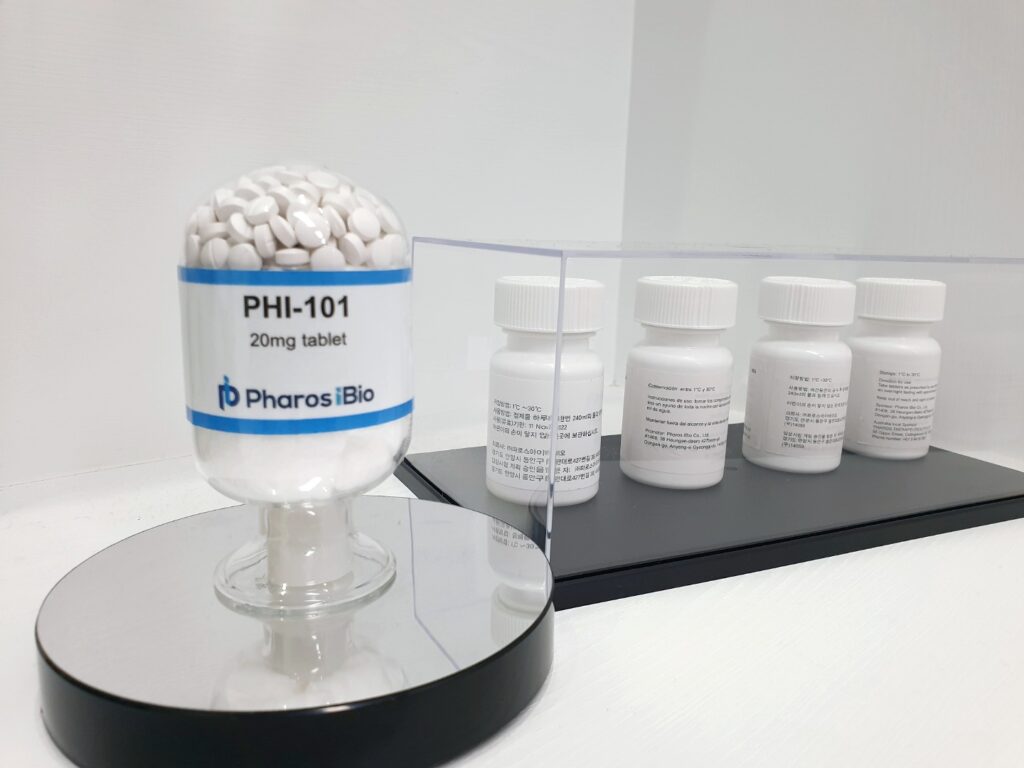
Pharos iBio, a South Korea-based biotech specializing in AI-driven drug discovery, announced that its lead investigational asset PHI-101, a next-generation therapy for acute myeloid leukemia (AML), has been granted orphan drug designation by the European Medicines Agency (EMA). The move marks the third regulatory recognition of the candidate following similar designations by the U.S. FDA (2019) and Korea’s MFDS (2023).
PHI-101 was developed using the company’s proprietary AI drug discovery platform, Chemiverse®, and is designed to target FLT3 mutations, which are associated with lower survival rates and higher relapse risk in AML patients. The designation underscores the candidate’s potential as a novel treatment option for patients with relapsed or refractory AML — a patient population with high unmet medical need and limited current options.
With orphan designation status, PHI-101 becomes eligible for a series of development incentives in the EU, including fee reductions, scientific advice, accelerated review pathways, and up to 10 years of market exclusivity following approval. These advantages are expected to support Pharos’ accelerated pathway toward commercialization in Europe, while bolstering its broader global strategy.
PHI-101 has already shown promising anti-tumor activity in global Phase 1 trials, along with favorable safety signals, including AI-predicted cardiotoxicity risk mitigation. In South Korea, the candidate has also received multiple compassionate use approvals from leading institutions such as Seoul National University Hospital, Seoul St. Mary’s Hospital, and Asan Medical Center.
AML remains a highly aggressive and difficult-to-treat hematologic malignancy, with particularly poor prognosis for patients harboring FLT3 mutations. Despite the availability of approved therapies, relapse rates remain high, and durable responses are limited, reinforcing the need for novel mechanisms of action.
“This orphan drug designation from the EMA marks a major milestone for PHI-101 and further validates the global competitiveness of our AI-driven approach to drug discovery,” said Jung Hyuk Yoon, CEO of Pharos iBio. “We will continue to push forward with development to offer a new therapeutic option for patients with relapsed or refractory AML worldwide.”
Pharos iBio, which listed on the Korean KOSDAQ in July 2023, is focused on oncology and rare diseases, with multiple pipeline programs in development. In addition to PHI-101, the company is advancing next-generation targeted therapies and combination strategies with potential for global out-licensing and co-development.