


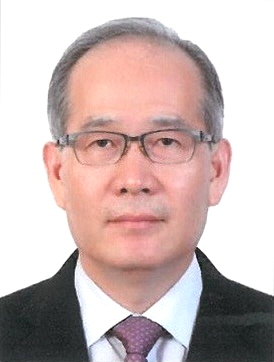
Daewoong Pharmaceutical is making a full-fledged entry into the biosimilar business as a new growth driver, bringing on board Dr. Seung-Seo Hong, a key figure in Celltrion’s biosimilar development. As its first pipeline, Daewoong has selected a biosimilar referencing the blockbuster atopic dermatitis drug Dupixent (ingredient: dupilumab).
The company announced on the 22nd that it has appointed Dr. Hong as Head of its new Biosimilar Business Division (BS Division), officially launching the project. Since June, Daewoong has been reorganizing the division and its personnel, with the new hire marking the start of full-scale operations.
Dr. Hong played a central role in the entire lifecycle of biosimilar development and commercialization at Celltrion and Celltrion Healthcare from 2002 to 2019. He has held leadership roles including President of R&D at Celltrion, CEO of Celltrion Healthcare, and CEO of Rophibio, earning recognition for his executional leadership in the global market.
"It’s highly meaningful for Daewoong, which has contributed to public health in Korea for the past 80 years, to enter the biosimilar space," said Dr. Hong. "Biosimilars can help create a more equitable healthcare environment, and I hope to contribute to improving access to treatment for patients around the world."
The company is initially focusing on developing a biosimilar of Dupixent, the atopic dermatitis drug co-developed by Sanofi and Regeneron, with the goal of becoming a global first mover. Dupixent generated €13.1 billion (approx. KRW 21 trillion) in revenue last year. With the substance patent set to expire in 2029, biosimilar market entry is expected to begin thereafter.
At the early stage, Daewoong plans to work with CDMOs (Contract Development and Manufacturing Organizations) for production. The company also indicated that it may consider investing in its own manufacturing infrastructure as the business expands.
Daewoong aims to nurture biosimilars as a next-generation core business. It plans to combine its sales and marketing capabilities with its expertise in protein-based drug development to rapidly build global competitiveness. The long-term strategy includes entering major markets such as the U.S. and Europe, with the goal of becoming a global biopharmaceutical company.
While Daewoong has built a competitive edge in small-molecule drugs and botulinum toxin products, the expansion into antibody-based biosimilars reflects the sector’s growth potential and increasingly lower entry barriers.
According to the IMARC Group, a global market research firm, the global biosimilar market is projected to grow from KRW 36 trillion (USD 26.5 billion) in 2023 to KRW 250 trillion (USD 185.1 billion) by 2033. In addition, the European Medicines Agency (EMA) in March released new guidelines allowing approval based on quality data and Phase 1 trials alone, without the need for Phase 3 trials. Daewoong sees this regulatory shift as an opportunity to reduce development risks and enhance cost competitiveness.
Daewoong also currently distributes biosimilars in Korea, including Celltrion’s Stroviklo (referencing Prolia) and LG Chem’s Zelenka (referencing Humira). The company expects that these distribution experiences will benefit the future commercialization of its own pipeline.
“Daewoong’s accumulated experience in drug formulation and commercialization, along with our global partnership capabilities, will allow us to demonstrate differentiated execution not only through independent development but also through co-development,” said CEO Sung-Soo Park. “We’re not aiming for short-term gains, but rather, we are implementing a long-term strategy to become a meaningful player in the global biosimilar market.”