

Hanmi Pharmaceutical has released the first clinical data from its next-generation triple agonist obesity drug, HM15275, showing promising early efficacy with a differentiated approach to muscle-sparing weight loss.
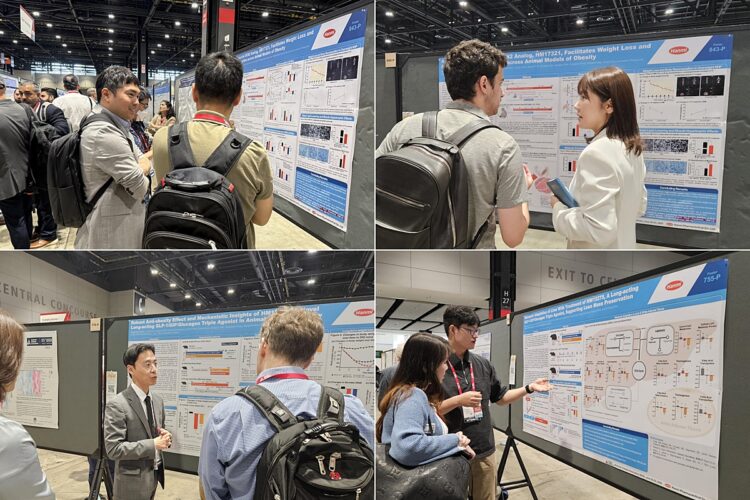
At the American Diabetes Association (ADA) Scientific Sessions held June 20–23 in Chicago, Hanmi presented Phase 1 results indicating that once-weekly subcutaneous administration of HM15275 led to an average weight reduction of 4.81% over four weeks in the high-dose cohort, with one participant losing up to 10.64% of body weight by day 43. No serious adverse events or treatment discontinuations were reported.
HM15275 is a triple agonist targeting GLP-1, GIP, and glucagon receptors. The drug is designed to optimize energy expenditure while minimizing gastrointestinal side effects. Unlike conventional weight-loss therapies that often result in muscle loss, Hanmi is positioning HM15275 as a qualitative weight-loss solution that maintains lean mass.
Preclinical studies presented at the ADA meeting showed that HM15275 suppresses muscle amino acid breakdown and promotes glucose utilization, suggesting benefits for both weight loss and metabolic balance.
“We plan to initiate a Phase 2 trial later this year, including higher doses beyond 8 mg, to evaluate long-term safety and efficacy,” said Moonhee Lee, head of clinical development at Hanmi.
Analysts see potential in Hanmi’s candidate, noting that Eli Lilly’s triple agonist retatrutide—currently leading the field—achieved similar short-term outcomes during early trials. Retatrutide showed a 22.1% reduction in body weight at 48 weeks in Phase 2, while Novo Nordisk recently entered the space with its own triple agonist UBT251.
Despite fierce global competition, Hanmi is emphasizing its dual focus on fat reduction and muscle preservation, a strategy it believes could offer a clinical edge.